ILF prize Program
Click „Block Editor” to enter the edit mode. Use layers, shapes and customize adaptability. Everything is in your hands.
create your own block from scratch





Welcome
You need to pass a simple registration and participate in the ILF Prize Program. We really appreciate your support. Only together we can achieve success and experience an exciting adventure. You can just show support for a Red Cat by spending something like 6 bucks and winning your 3 800,000 bucks. Or you can take part in an Active Group. We can cooperate in any format. Both from the opportunities that we offer, and from the options that you offer. Just send us an email. Let's just do it





|
(I Love The Freedom)?
This is the heart of a Red Cat. This is a symbol of the desire for freedom and independence. This is a symbol that the future is not indifferent to us or to you. This is a symbol that there are many of us. A symbol that we will not allow a new totalitarian system to be born. This is the symbol of our Republic. This is a small step that starts a long way

What is the ILF (I Love The Freedom) token?
|
(I Love The Freedom)?


Oh yeah. Technically, the ILF token is an ERC 20 Protocol token issued on the Ethereum platform. But the flag of any country is technically a rag that was sewn by some people. It may even have been made by illegal workers.
Sorry for the long introduction. Let's go back to the essence of the Prize program

(I Love The Freedom)?
This is the token of the first wave of project token issuance. In total Red cat will make 4 or 5 token issues with different names and on different platforms each mission will have its own Prize Program
What difference does it make whether our flag was sewn by illegal migrants or it was released on a technological platform?


Oh yeah. Technically, the ILV token is an ERC 20 Protocol token issued on the Ethereum platform. But the flag of any country is technically a rag that was sewn by some people. It may even have been made by illegal workers.
ILF Prize Program
Sorry for the long introduction. Let's go back to the essence of the Prize program
Что такое токен ILF (I Love The Freedom)?
ILF prize Program
(I Love The Freedom)?
This is the token of the first wave of project token issuance. In total Red cat will make 4 or 5 token issues with different names and on different platforms each mission will have its own Prize Program
What difference does it make whether our flag was sewn by illegal migrants or it was released on a technological platform?
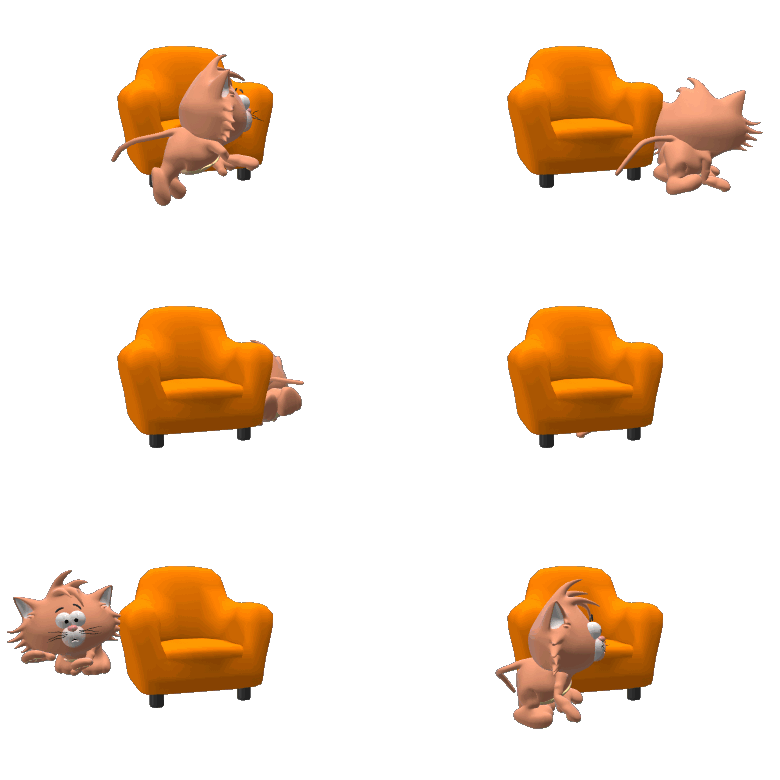
So it doesn't make sense to draw such funny graphs of how its value is growing blah-blah-blah. Fort Knox will be hard to buy with an ILF token. Although, of course, life can also bring surprises.


The ILF token is a symbol of your support and understanding. It has a symbolic value
ILF Prize Program
We want to create a Republic of the United Islands.
BUT!
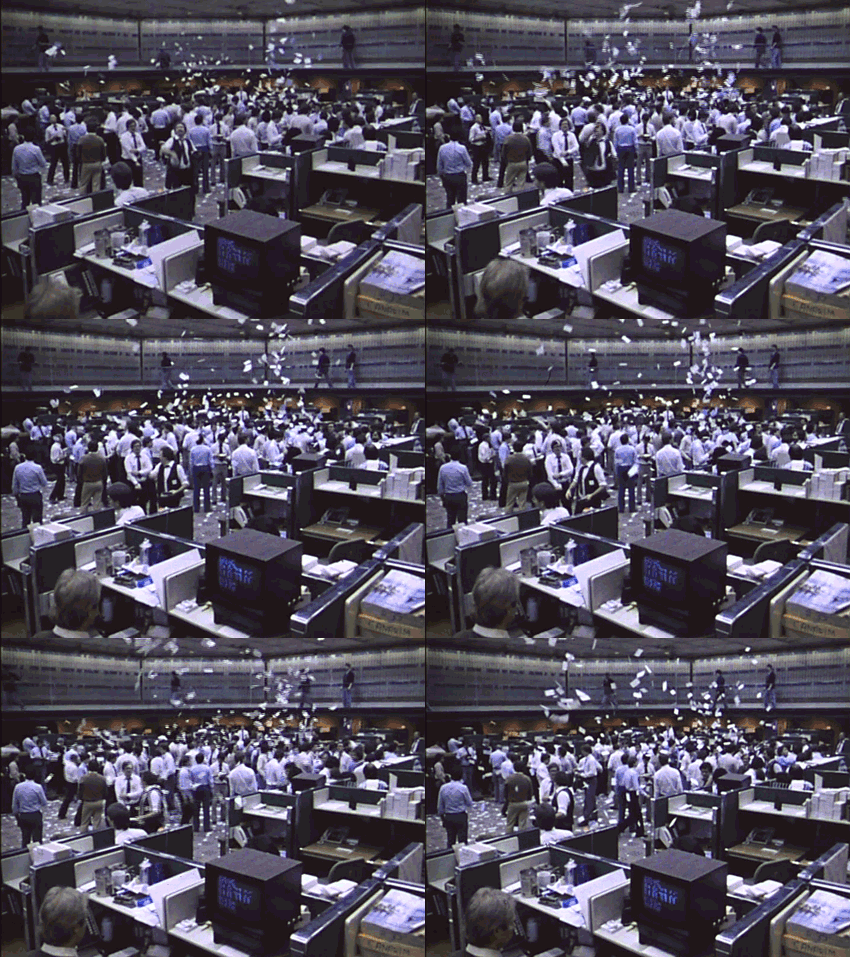

We do not assume that ILF will cause a panic on the stock exchange and George Soros will go bankrupt because he did not buy it. That would not be true. And we don't like to cheat
WE WILL NOT CONVINCE YOU THAT THE ILF TOKEN WILL BUY MANHATTAN. THAT'S NOT SO
THESE FUNDS FORM THE FOUNDATION OF THE REPUBLIC. WE WILL BUY THE FIRST ISLAND AND PLAY IT BETWEEN YOU. WE WILL ALSO START THE PROCEDURES ACCORDING TO OUR PLAN. MAYBE YOUR 6 BUCKS OR 50 CENTS DONATION WILL CHANGE THE WORLD.
THESE FUNDS FORM THE FOUNDATION OF THE REPUBLIC. WE WILL BUY THE FIRST ISLAND AND PLAY IT BETWEEN YOU. WE WILL ALSO START THE PROCEDURES ACCORDING TO OUR PLAN. MAYBE YOUR 6 BUCKS OR 50 CENTS DONATION WILL CHANGE THE WORLD.

We want to make a pleasant surprise for at least some of you. Perhaps it is you
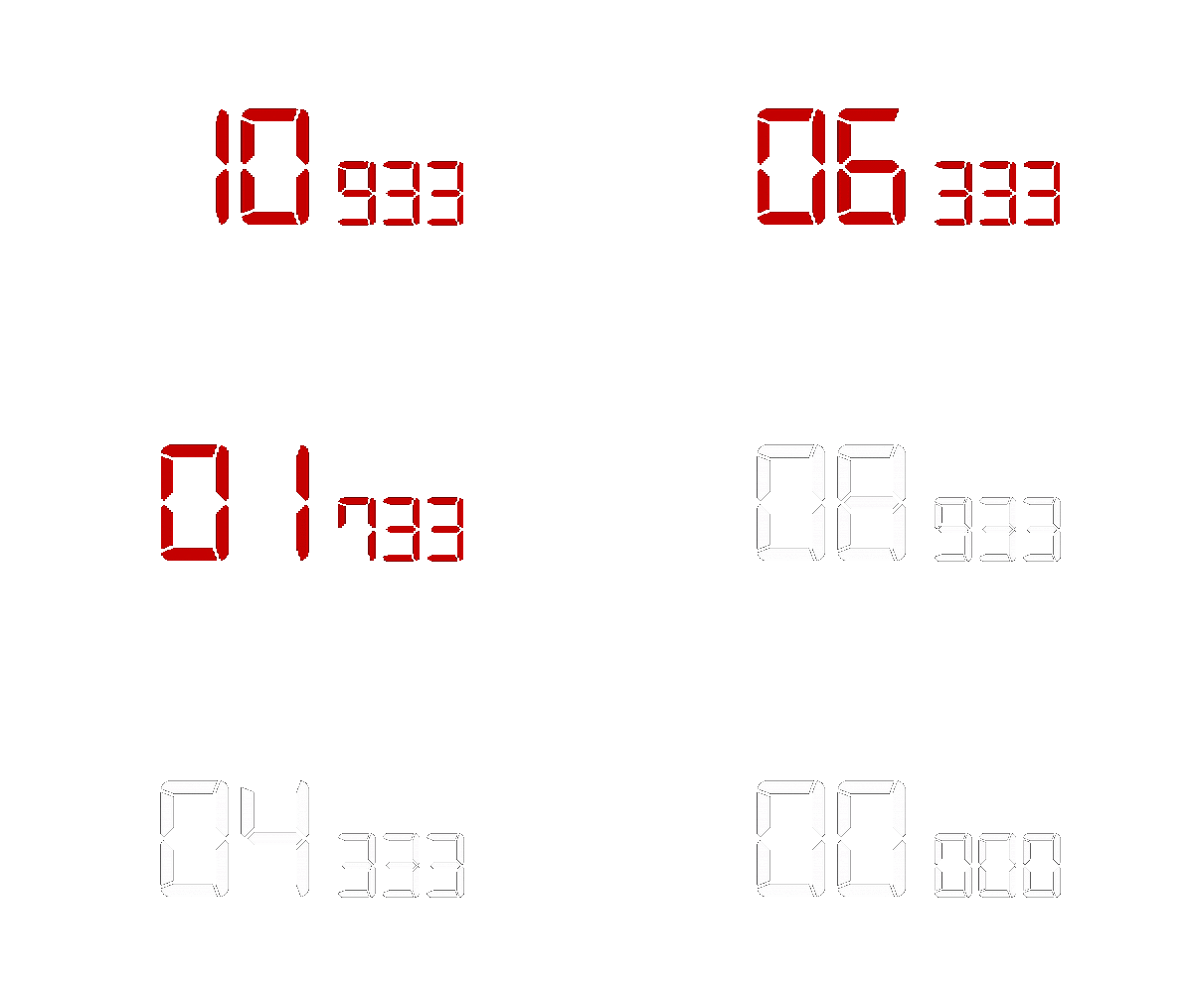
When this timer expires, the 501 Prize and $ 3,800,000 Grand Prize will start counting down
* 10,000 ETH at the Exchange Rates of 08/25/2020
Days
Hours
Minutes
Seconds
No fucking trouble with the SEC

мЫ РАЗЫГРАЕМ ТАКИЕ ПРИЗЫ
Tether (USDT)
501 Prize holders and 3 Special Prize holders
A reminder for those who didn't read the first page or didn't pay attention.
US citizens can easily participate in this program. The ILV token is a classic utility token. SEC restrictions do not apply to it. The Red Cat took the Howie fucking test
US citizens can easily participate in this program. The ILV token is a classic utility token. SEC restrictions do not apply to it. The Red Cat took the Howie fucking test
No fucking trouble with the SEC

We will draw for you 501 Prizes and 3 Special Prizes for the most active participants for 300 ETH or 100,000 USD with the usual money each
стандартный блок
501 Prize holders and 3 Special Prize holders
1 Main Prize of 10 000 ETH
Red Сat offers you such prizes
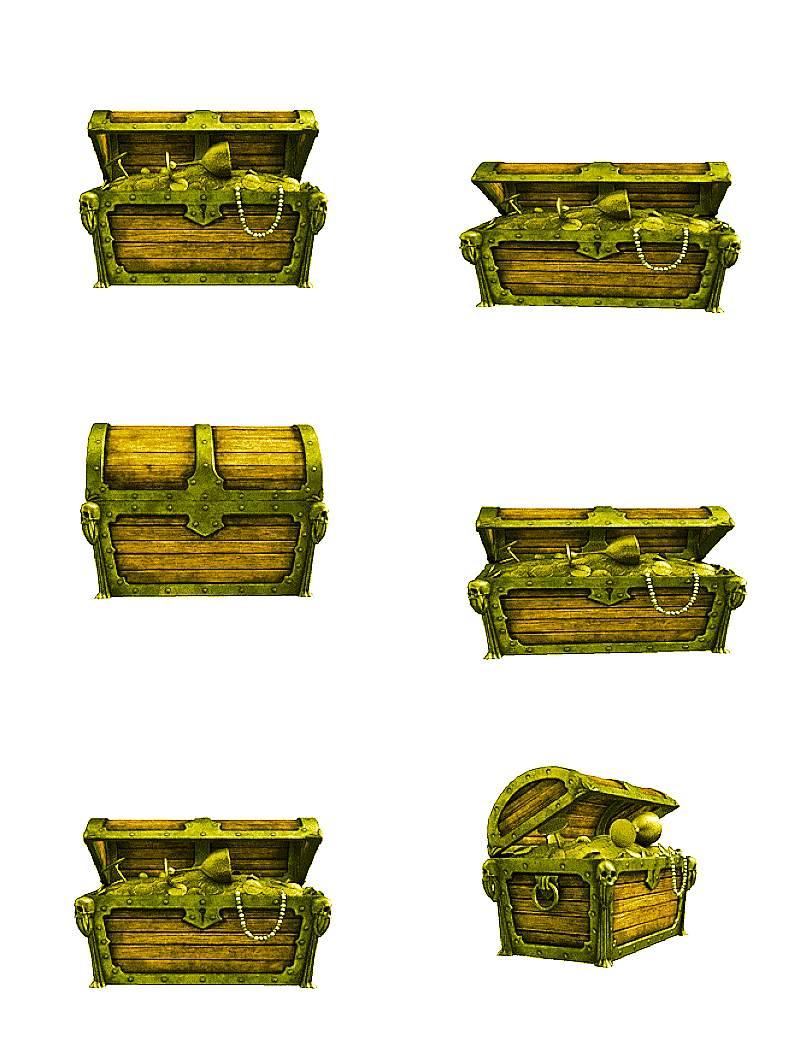
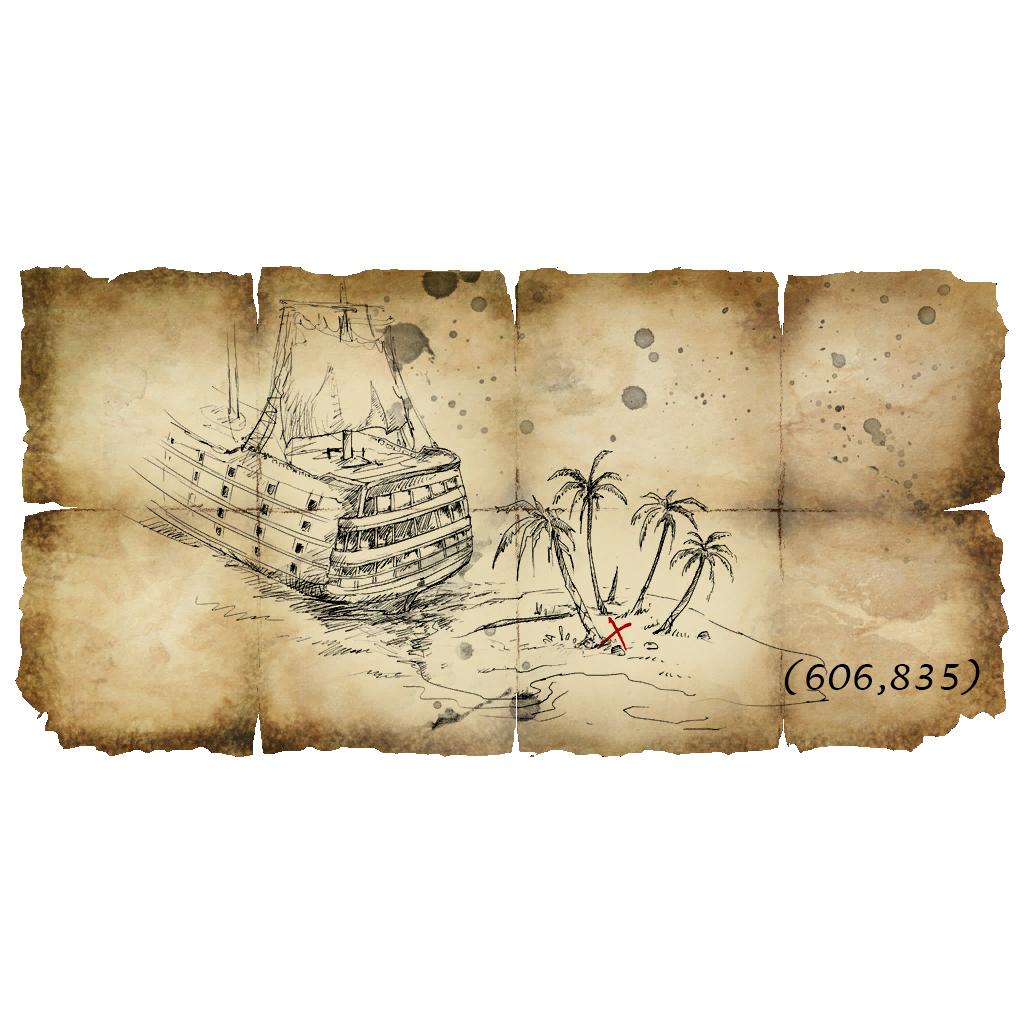
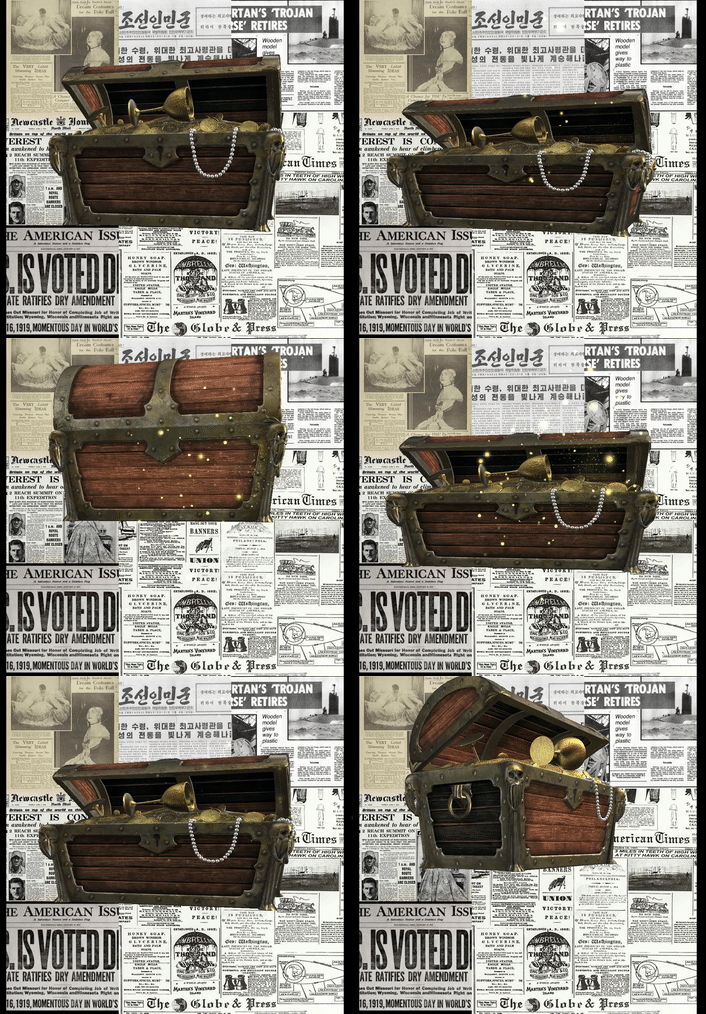
Red Сat offers you to find such treasures on the island of treasures
стандартный блок
501 Prize holders and 3 Special Prize holders
5 First Prizes of 3,000 ETH each
20 Second Prizes of 1000 ETH each
100 Third Prizes of 100 ETH each
375 Fourth Prizes of 50 ETH each


1 Prize of 300 ETH or 100,000 USD in cryptocurrency or 100,000 USD in ordinary money to a Bank account for the person who became the owner of the largest number of ILF tokens.
Red Сat offers you such prizes
3 Special Prizes from the Red Cat
501 Prize holders and 3 Special Prize holders
1 Prize of 300 ETH or 100,000 USD in cryptocurrency or 100,000 USD in ordinary money to a Bank account for the person who brought the largest number of friends to the Project.
1 Prize of 300 ETH or 100,000 USD in cryptocurrency or 100,000 us dollars in ordinary money to a Bank account for the person whose friends have become the owners of the largest number of ILF tokens.
*These are additional Prizes and theoretically all of them can be won by one person
375 Fourth Prizes of 50 ETH each
1. The owner of the ILF automatically becomes a member of the Prize Program. One token - one chance. Two tokens - two chances, etc.*
Red Сat offers you such prizes
The rules for participating in the ILV Prize Program are simple and clear. There are two of them
501 Prize holders and 3 Special Prize holders
1 Prize of 300 ETH or 100,000 USD in cryptocurrency or 100,000 USD in ordinary money to a Bank account for the person who brought the largest number of friends to the Project.
1 Prize of 300 ETH or 100,000 USD in cryptocurrency or 100,000 us dollars in ordinary money to a Bank account for the person whose friends have become the owners of the largest number of ILV tokens.
*These are additional Prizes and theoretically all of them can be won by one person
375 Fourth Prizes of 50 ETH each
2. All ILF tokens participate in the Prize draw
You will receive your winnings to your e-wallet, to which the ILF token was transferred to you. Don't forget to specify the transaction number and quantity in the form
Don't lose your e-wallet passwords. It would be a shame
It is difficult for us to determine the amount of your winnings in regular money due to the fact that ETH has quite a lot of volatility. We rely on the current exchange rate. If the ETH rate is equal to 1 ETH=500 USD at the time you receive the Prize, then your Prize will be $ 5,000,000. It will be nice
Red Сat offers you such prizes
We will pay your winnings using ETHEREUM cryptocurrency (ETH). But we insure your winnings from the decline in the ETH rate
But if the ETHEREUM exchange rate falls below 200 bucks for 1 ETH, your Prize would be only 2,000,000 dollars. It's a shame
Therefore, we insure your risks. If the ETH rate at the time of payment of the Prize is less than 300 dollars, we will pay your Prize in Tether (USDT). As you know, it is more stable and approximately equal to 1 dollar.
More information is available below
What is more than 2,500,000 times? This is the same as if two full railway freight trains loaded with oranges were brought to you for the price of one orange. You can count it yourself
The ILF prize Program is a one-time promotion to encourage sales. This is not a lottery. But. You will be surprised, but the chance to get the Main Prize in the ILF Prize Program is 2,500,000 times greater than in the usual lottery
We want to create a Republic of the United Islands.
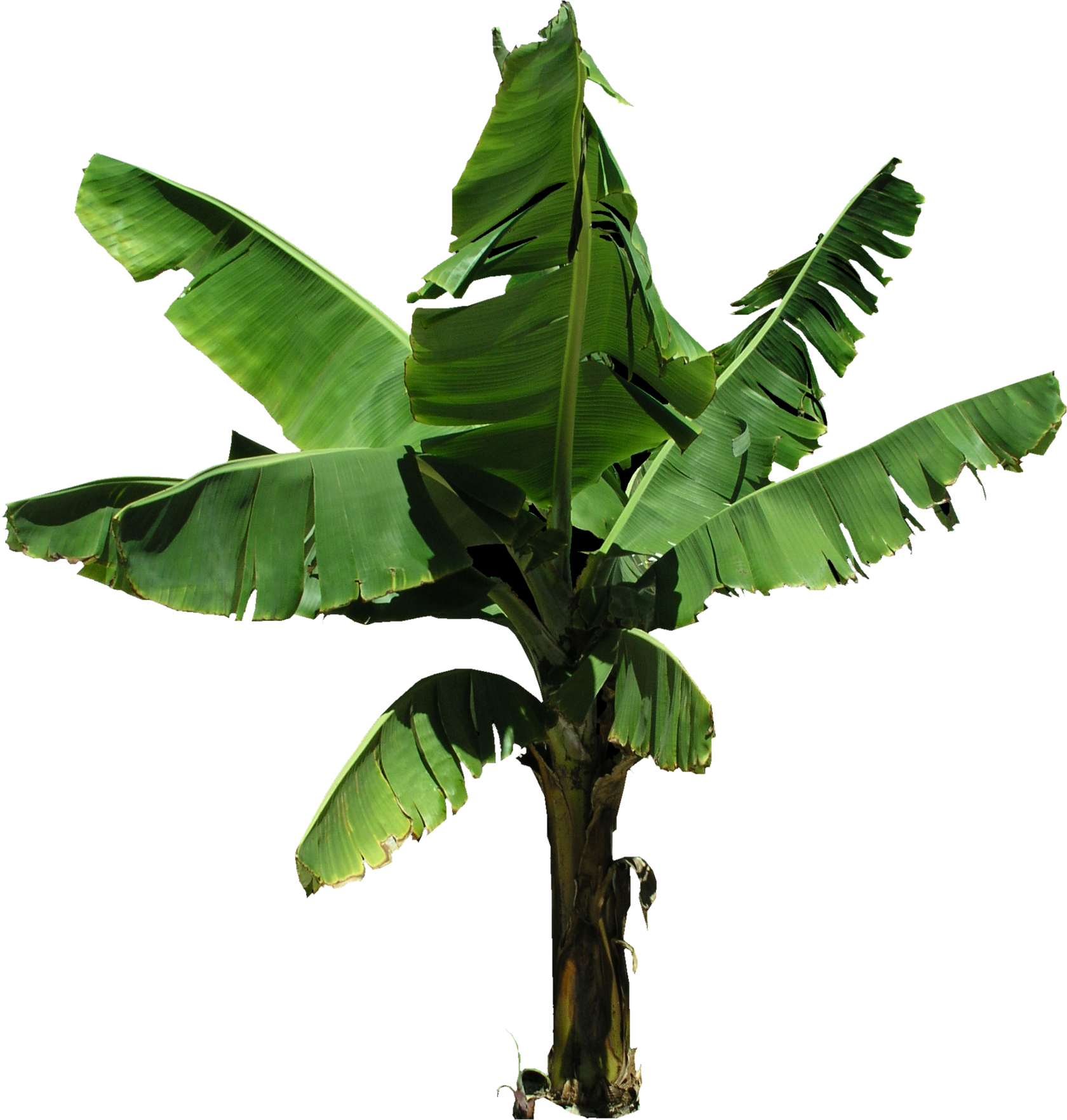
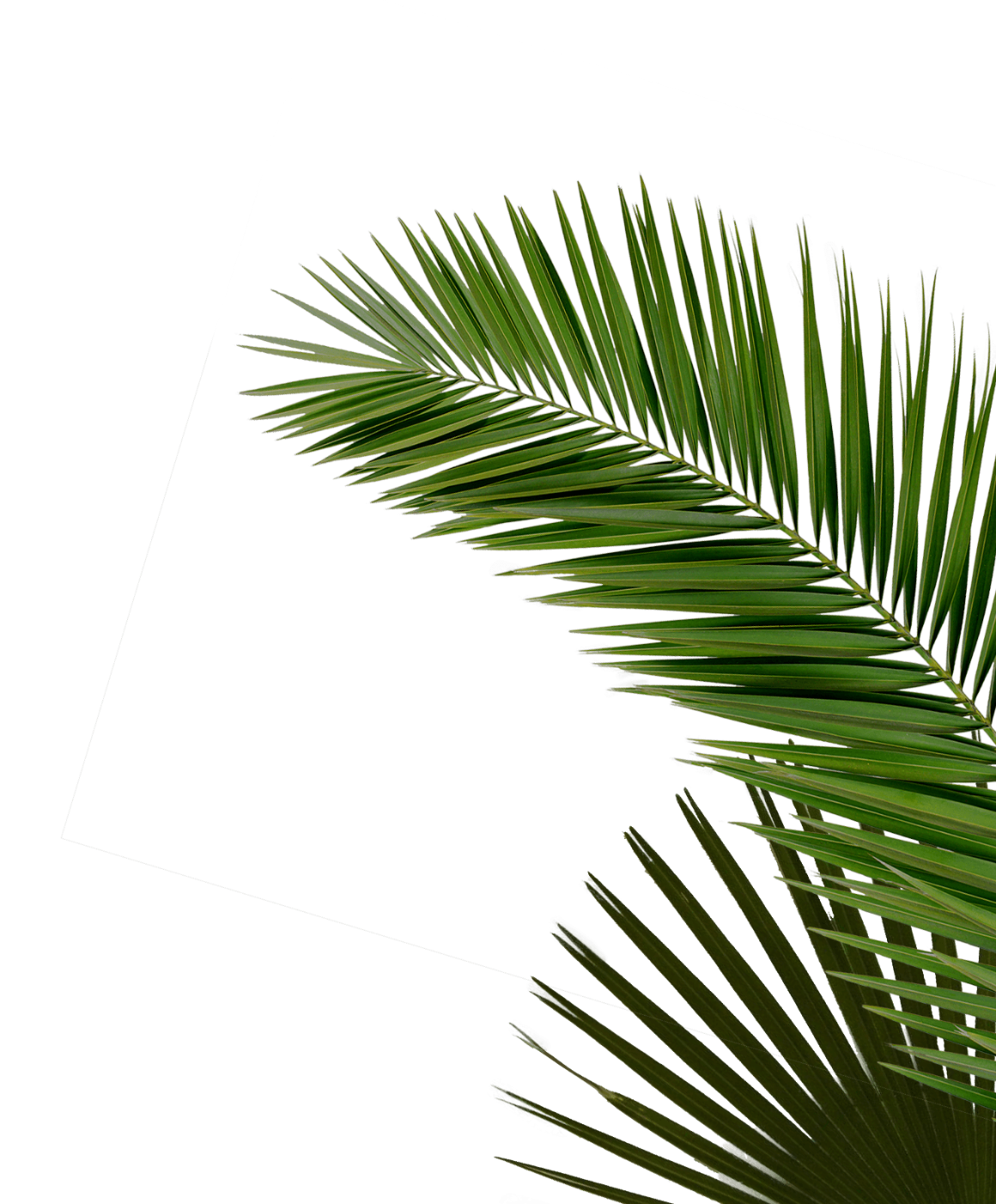
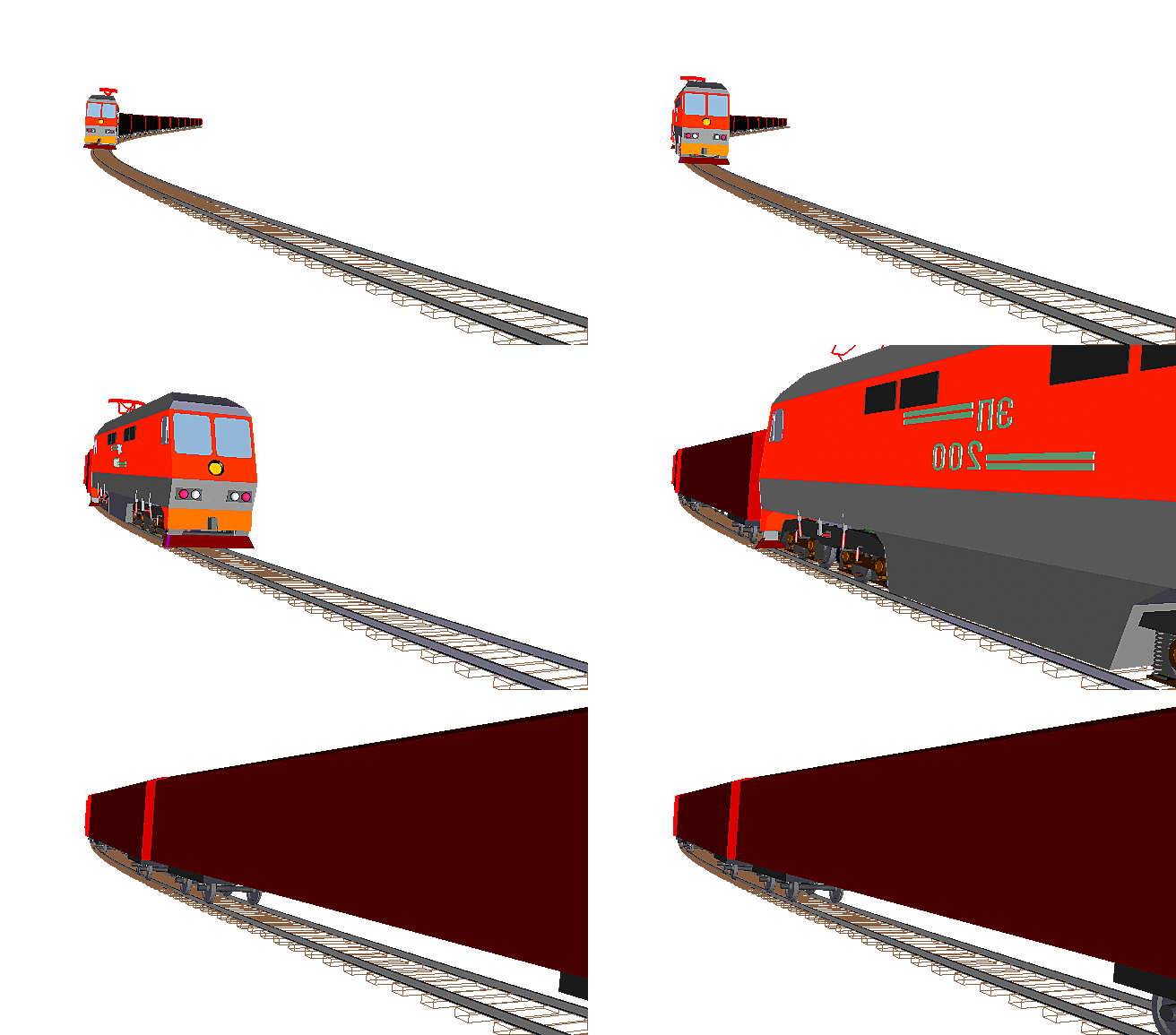
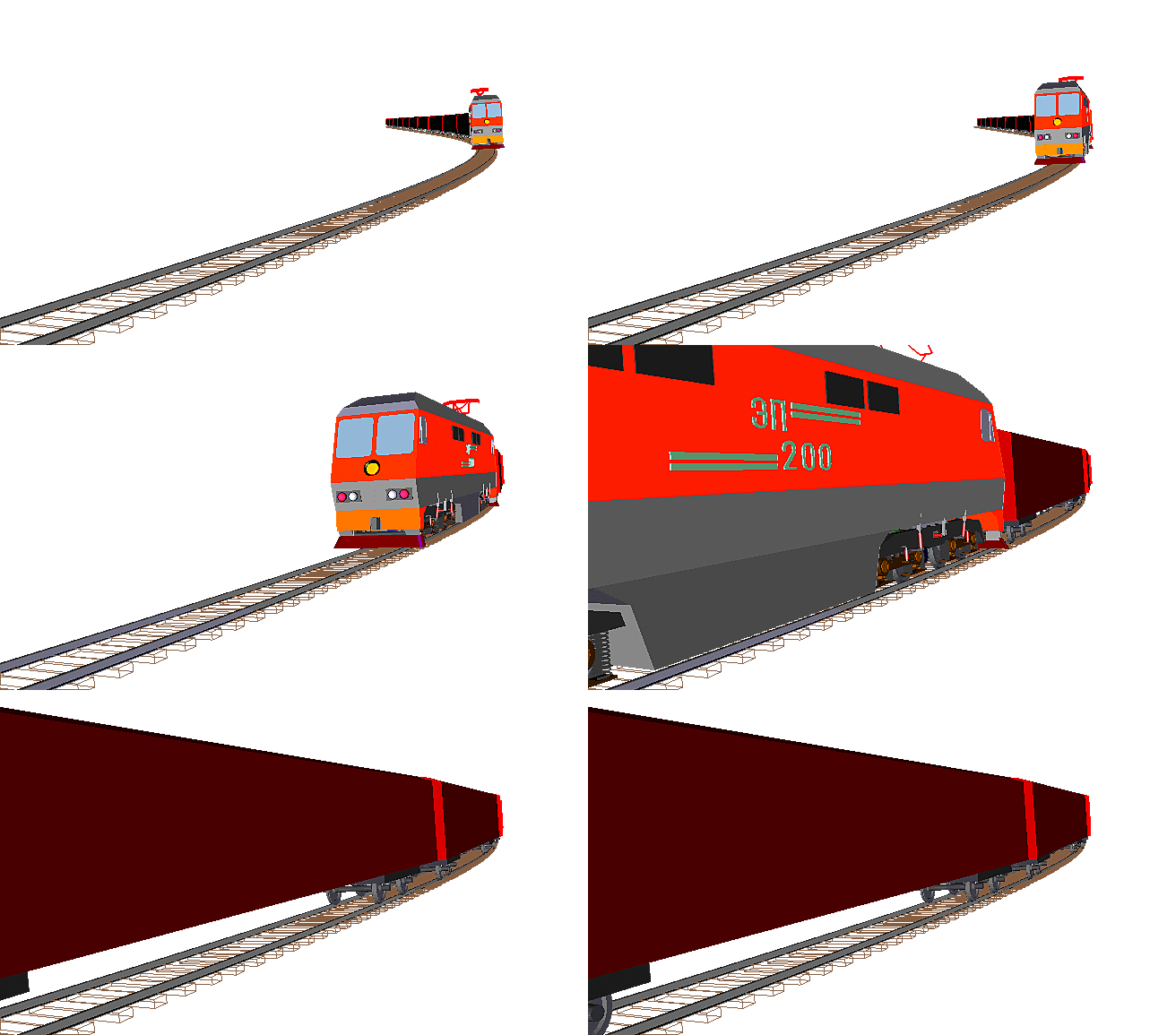
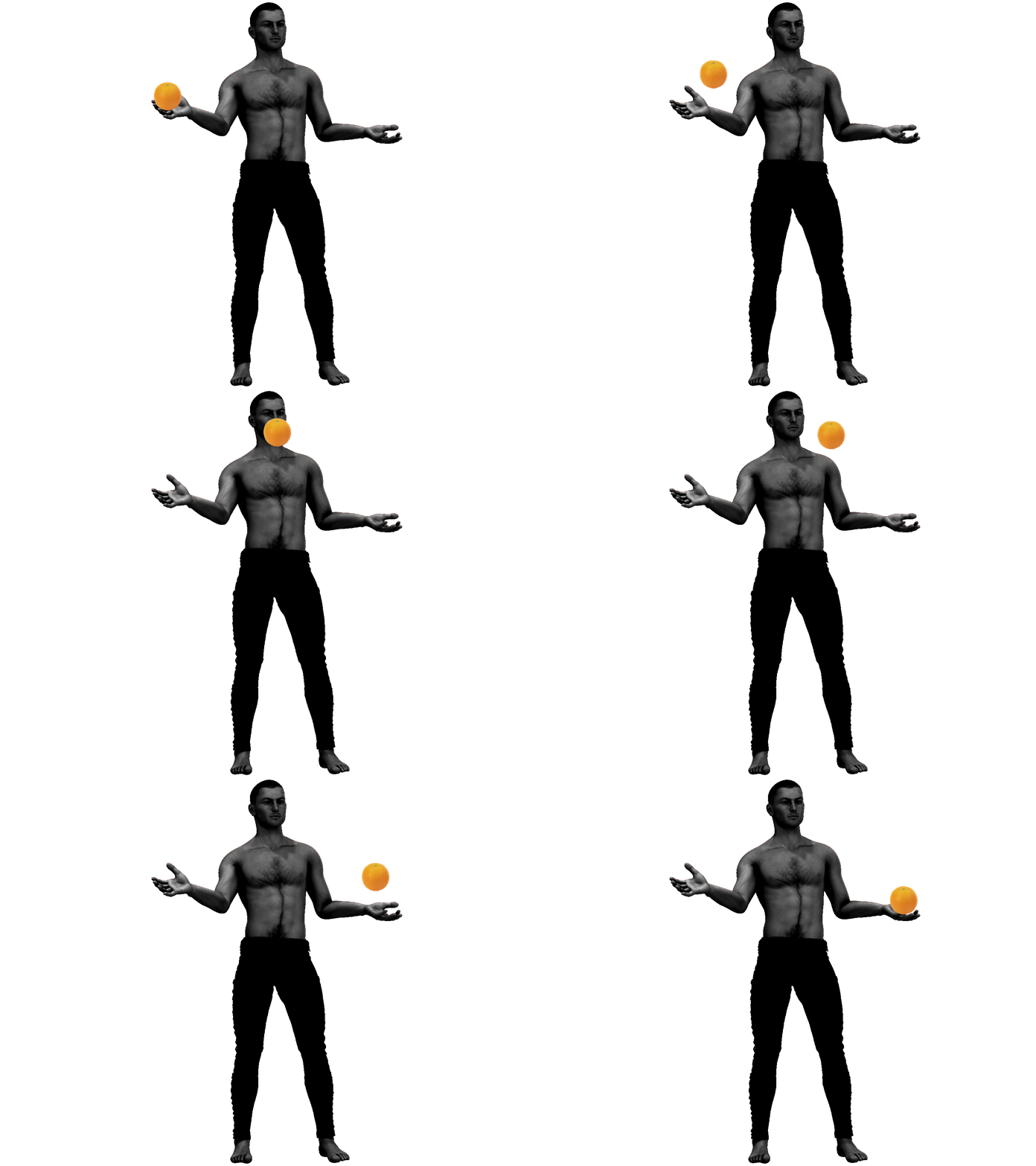
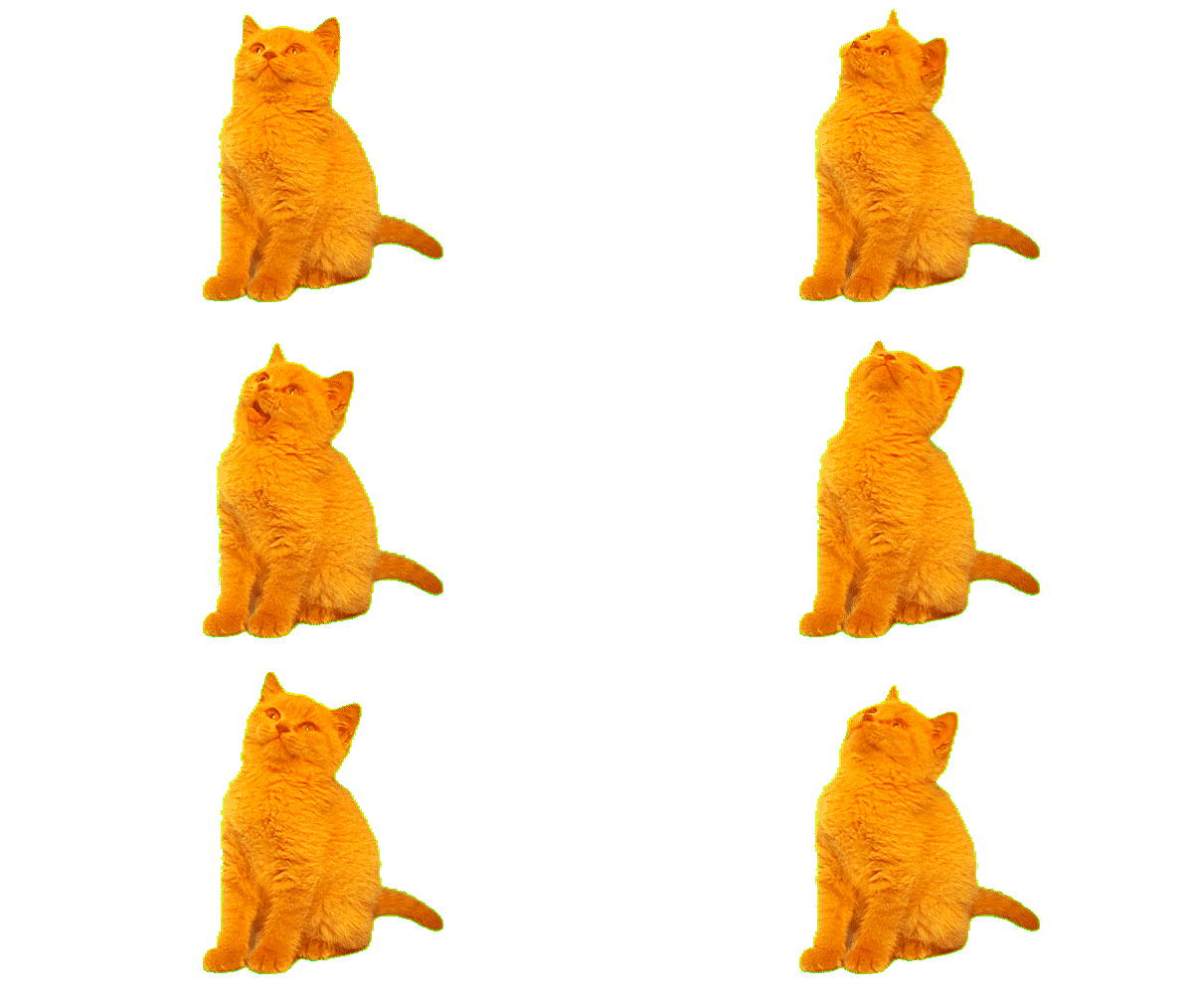
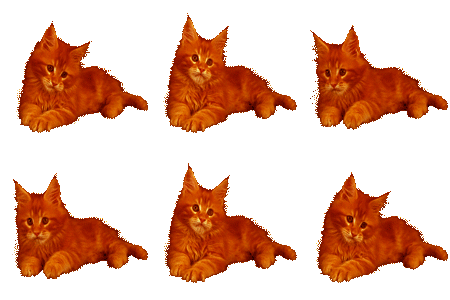
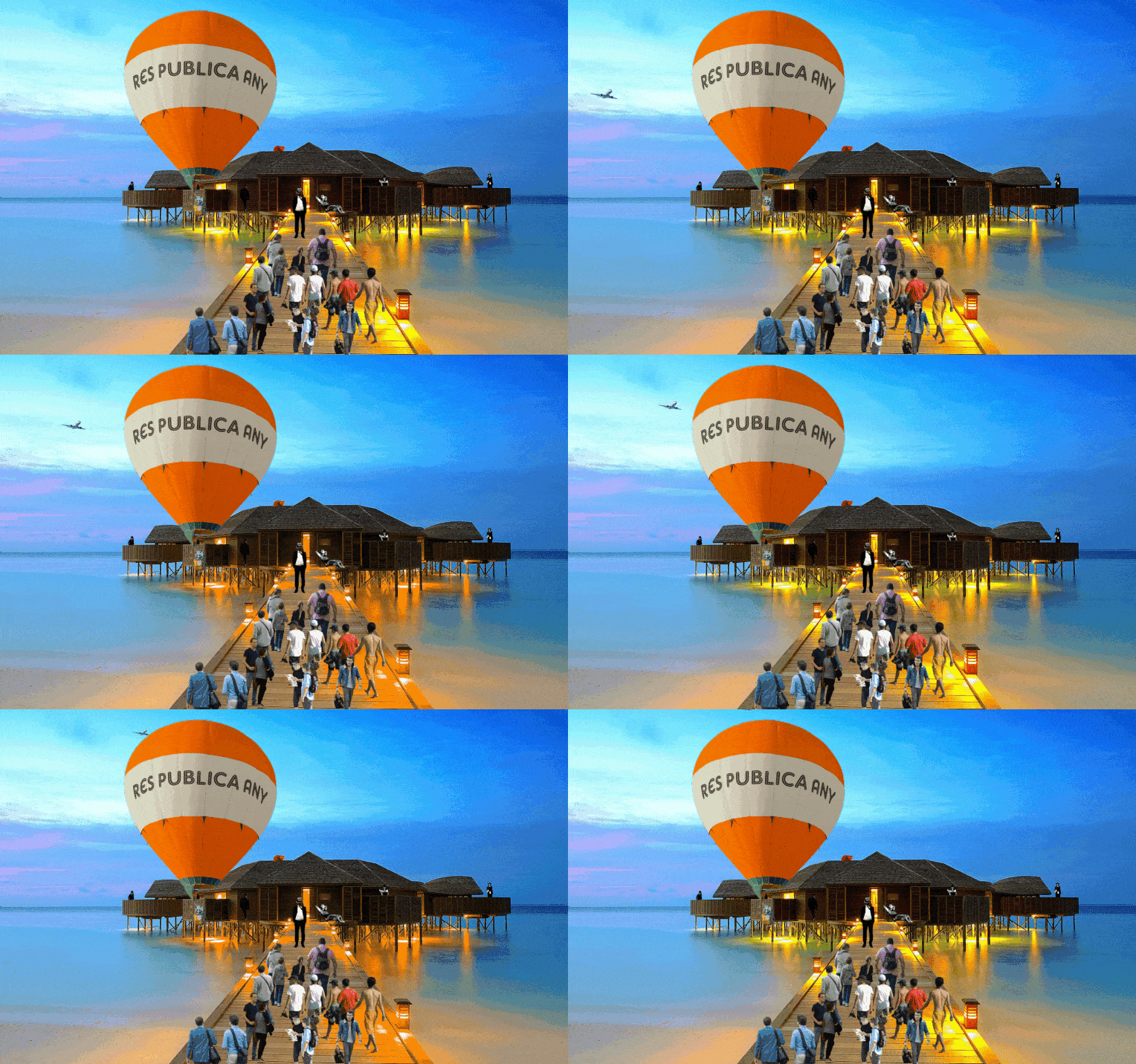
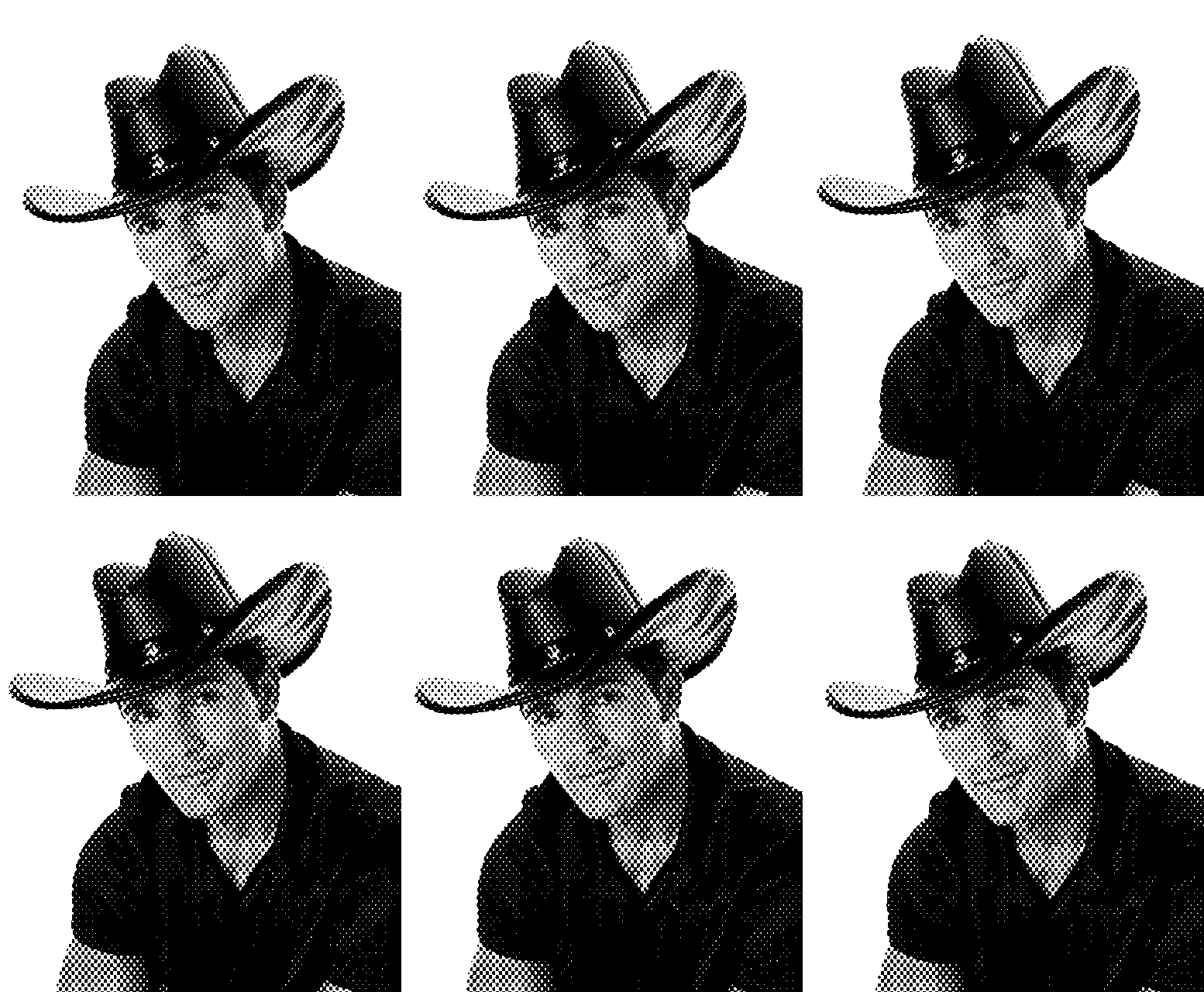
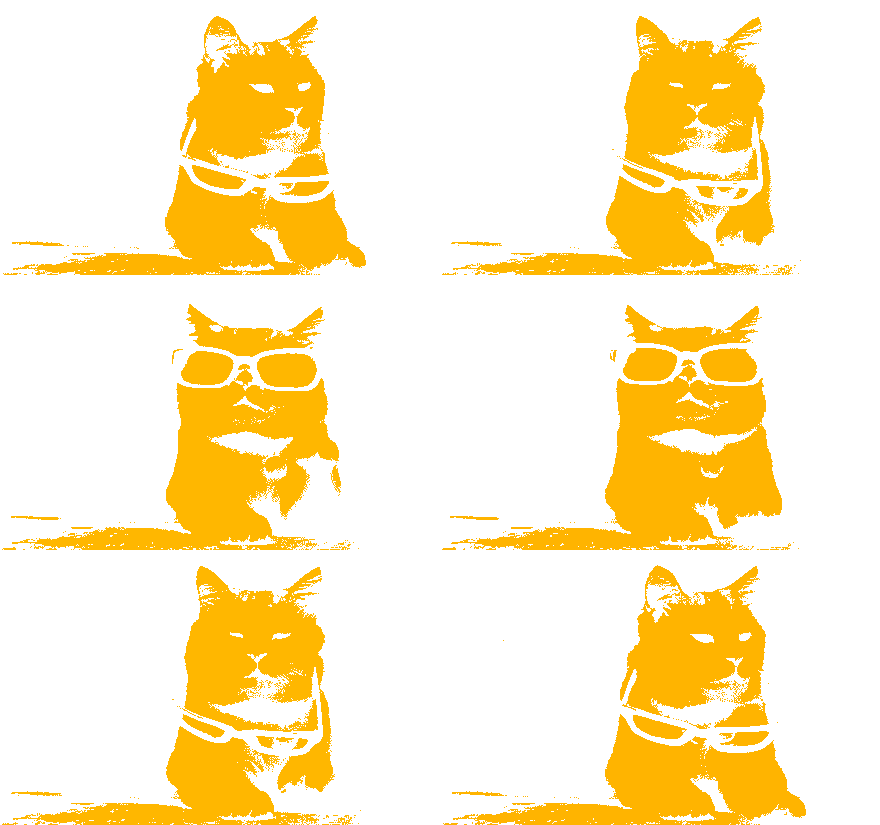
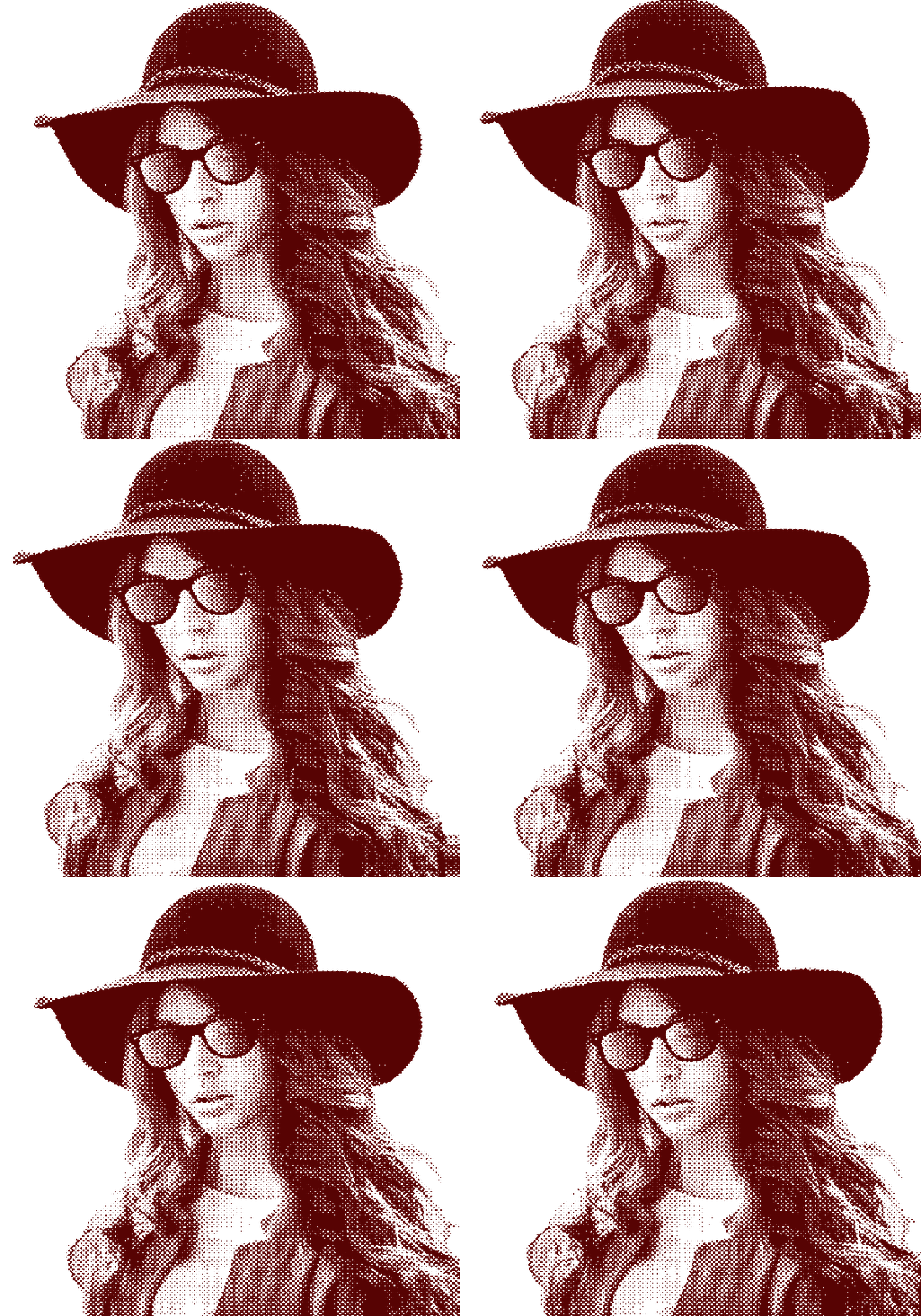
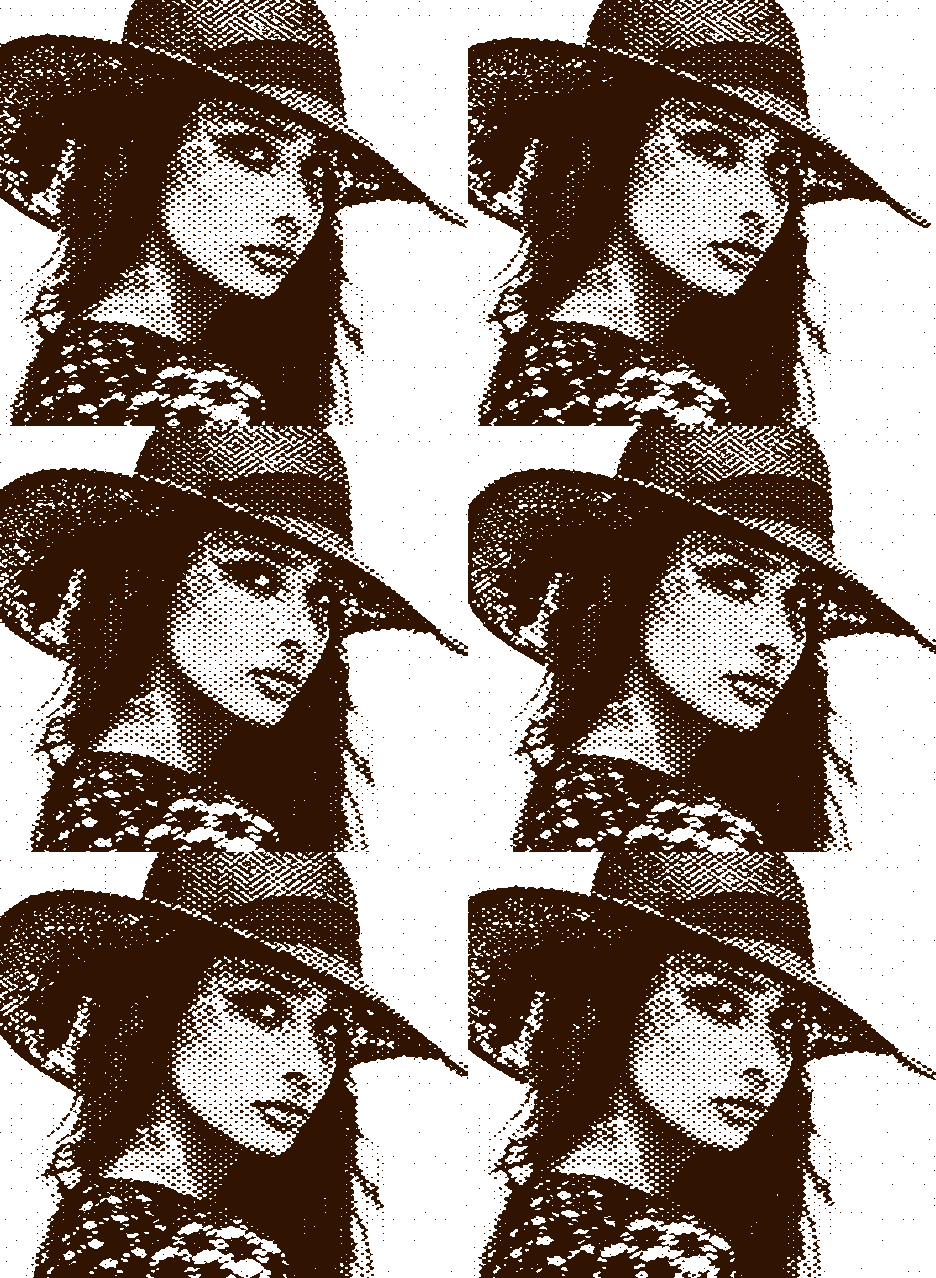
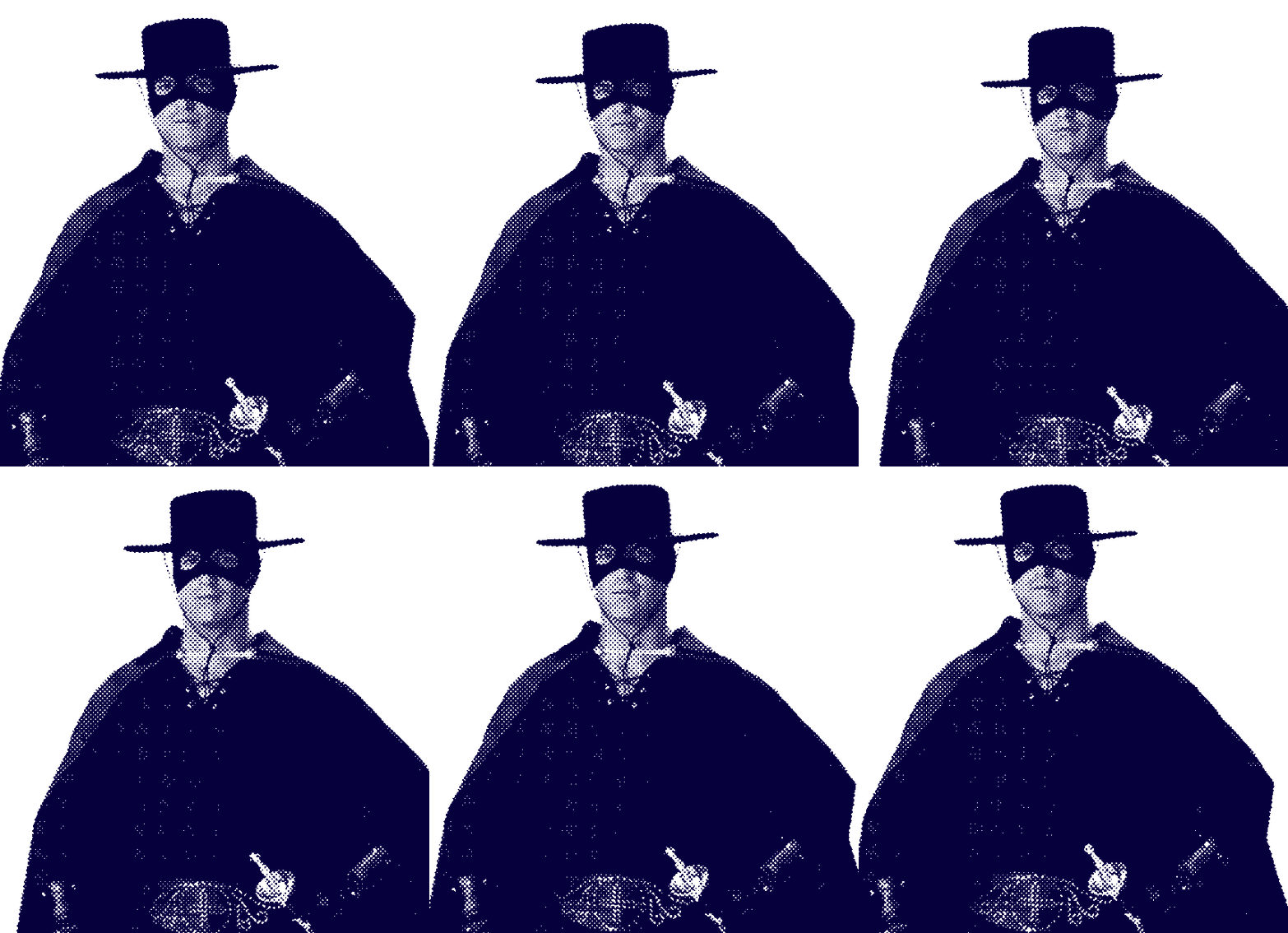
The probability of winning the Prize corresponds to the probability of hitting one pixel in these images. You don't need to zoom in to see them. This is the exact size. As you can see, the pictures are quite small and your winnings are quite real
Graphically the probability of getting a Prize in the ILF Prize Program looks like this
We want to create a Republic of the United Islands.


The probability of winning a Prize with 1 ILF token corresponds to 1 pixel in this image
The probability of winning a Prize with 5 ILF token corresponds to 1 pixel in this image
The probability of winning a Prize with 10 ILF token corresponds to 1 pixel in this image
Your Prizes will be insured against a decrease in the ETH exchange rate. If the exchange rate remains the same or increases, we will transfer ETH to your e-wallets as already mentioned. Increasing the rate is beneficial to you and there are no questions here. If the ETH exchange rate drops below $ 300, we use this algorithm
If you want to learn more about probabilities, ask Einstein
Hi!

The probability of winning a Prize with 1 ILF token corresponds to 1 pixel in this image
The probability of winning a Prize with 5 ILF token corresponds to 1 pixel in this image
The probability of winning a Prize with 10 ILF token corresponds to 1 pixel in this image
And we will tell you in more detail how your Prizes will be insured against a possible fall in the ETH exchange rate
The drawing algorithm is as follows. If 10 people bought goods X each with one unit of goods and participate in the drawing of an advertising prize, then everything is clear. Each possesses one unit of goods and has equal chances of receiving a prize of 1 in 10.
Same thing with ILF. 10 owners, each of which has 1 ILF, have a chance of receiving a 1 to 10 prize.
But suppose the real situation is as follows. ILF acquired only 3 people. We will conditionally call them A, B, and C.
The distribution of ILF between them is as follows
A - 6 ILF
B - 3 ILF
S - 1 ILF
Their chances of receiving the main prize will also be distributed.
A will receive 6 chances, B will receive 3 chances, C will receive 1 chance
The pool of the draw will look as follows.
Total number of participation - 10 ILF units
Draw Pool:
A, A, A, A, A, A, B, B, C
That is, the probability of winning the main prize for A = 60% (or 6x10%),
For B = 30% (or 3x10%) and for C = 10% (or 1x10%)
Same thing with ILF. 10 owners, each of which has 1 ILF, have a chance of receiving a 1 to 10 prize.
But suppose the real situation is as follows. ILF acquired only 3 people. We will conditionally call them A, B, and C.
The distribution of ILF between them is as follows
A - 6 ILF
B - 3 ILF
S - 1 ILF
Their chances of receiving the main prize will also be distributed.
A will receive 6 chances, B will receive 3 chances, C will receive 1 chance
The pool of the draw will look as follows.
Total number of participation - 10 ILF units
Draw Pool:
A, A, A, A, A, A, B, B, C
That is, the probability of winning the main prize for A = 60% (or 6x10%),
For B = 30% (or 3x10%) and for C = 10% (or 1x10%)
ILF token exchange rate
1 ILF = 0.02 ETH or 6 Tether (USDT). That is, about 6 bucks. *The exchange rate for ETH may change
The owner of the Main Prize will receive 10,000 ETH to their e-wallet. At the exchange rate for August 2020, this is 3 800 000 - 3 900 000 dollars. If, at the time of receiving the Prize, the exchange rate of ETH is below $ 300 per 1 ETH, he will receive a Prize in Tether (USDT), namely 3,000,000 Tether (USDT), which is approximately equal to 3,000,000 US dollars. If the ETH exchange rate does not change or is higher, it will receive 10,000 ETH regardless of how much the exchange rate rises
Owner of the Main Prize 10,000 ETH

Owner of 10,000 ETH


Each owner of the First Prize will also receive 3,000 ETH to their e-wallet. At the exchange rate for August 2020, this is 1 140 000 - 1 170 000 dollars. If, at the time of receiving the Prize, the ETH exchange rate is below $ 300 for 1 ETH, they will receive a Prize in Tether (USDT), namely 900,000 Tether (USDT) each, which is approximately $ 900,000. If the ETH exchange rate does not change or is higher, they will receive 3,000 ETH regardless of how much the exchange rate rises
We want to create a Republic of the United Islands.
5 first Prize holders for 3,000 ETH
5 first Prize holders for 3,000 ETH

We will also send 1,000 ETH to the owners of the Second Prizes. As of August 2020 this is 380 000 - 390 000 us dollars. If the ETH exchange rate falls below $ 300, we will replace ETH with Tether (USDT) and forward you 300,000 Tether (USDT), which is approximately $ 300,000.
We want to create a Republic of the United Islands.
For 20 owners of Second Prizes of 1 000 ETH

20 Prize holders of 1,000 ETH
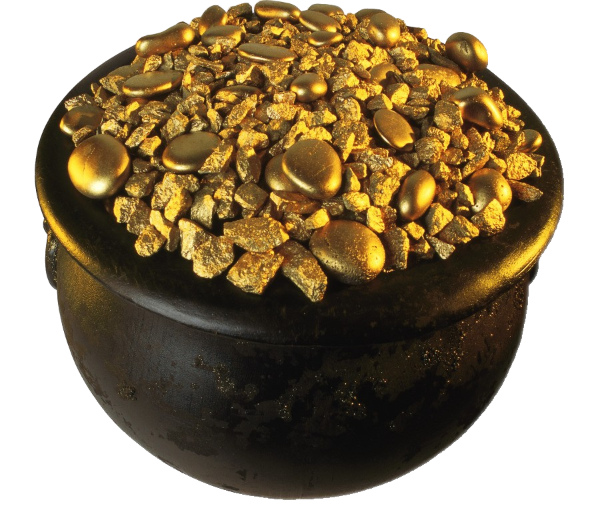

The third and fourth Prizes, of course, are slightly less. But you can still buy yourself a couple of burgers. We will send 100 ETH each to the owners of the Third Prizes, which is as of August 2020 38 000 - 39 000 us dollars. If the exchange rate of ETH at the time of payment of the Prize is less than $ 300 for 1 ETH, we will send you 30,000 Tether (USDT), which is approximately equal to $ 30,000.
No fucking trouble with the SEC
We want to create a Republic of the United Islands.
For 100 owners of Third Prizes of 100 ETH
Tether (USDT)
100 owners of Third Prizes for 100 ETH

Here is the same scheme. We will send 50 ETH each to the owners of the Fourth Prizes, which is as of August 2020 19 000 - 19 500 us dollars. If the exchange rate of ETH at the time of payment of the Prize is less than $ 300 for 1 ETH, we will send you 15,000 Tether (USDT), which is approximately equal to $ 15,000.
No fucking trouble with the SEC
We want to create a Republic of the United Islands.
For 375 owners of Prizes of 50 ETH
Tether (USDT)
375 Prize holders of 50 ETH

We also guarantee you timely payment of your Prizes. We would like you all to win. But unfortunately, we don't have that much cryptocurrency. But we know for sure that everyone will benefit from the Republic of the United Islands appearing on the world map. All mankind
As you understand, we insure your winnings against a sharp drop in the ETH exchange rate using a simple scheme. Too bad we can't insure you against dollar inflation. But there's nothing you can do about it. At least for now
The probability of winning a Prize with 1 ILF token corresponds to 1 pixel in this image
The probability of winning a Prize with 5 ILF token corresponds to 1 pixel in this image
The probability of winning a Prize with 10 ILF token corresponds to 1 pixel in this image
Dear friends! By participating in our Prize Program, you help the Project "Red Cat Jump" not to remain just empty words. You are helping the Republic of the United Islands become a reality
Red Сat offers you such prizes
Red Сat thanks you and wishes you to win all the money in the world
Про призы и граждан сша
мЫ РАЗЫГРАЕМ ТАКИЕ ПРИЗЫ
Tether (USDT)
Long live the Republic of the United Islands!
More information is available below